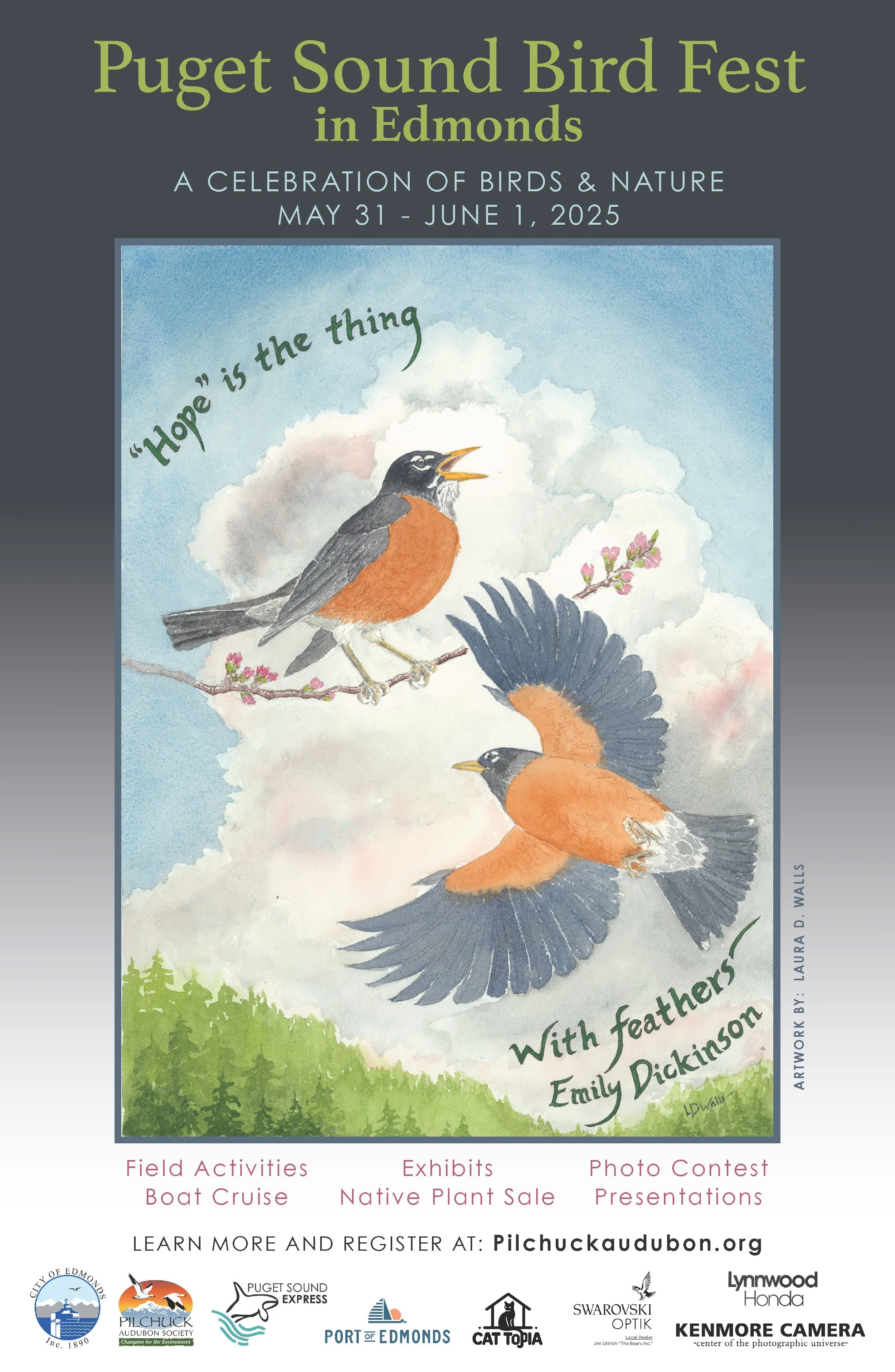
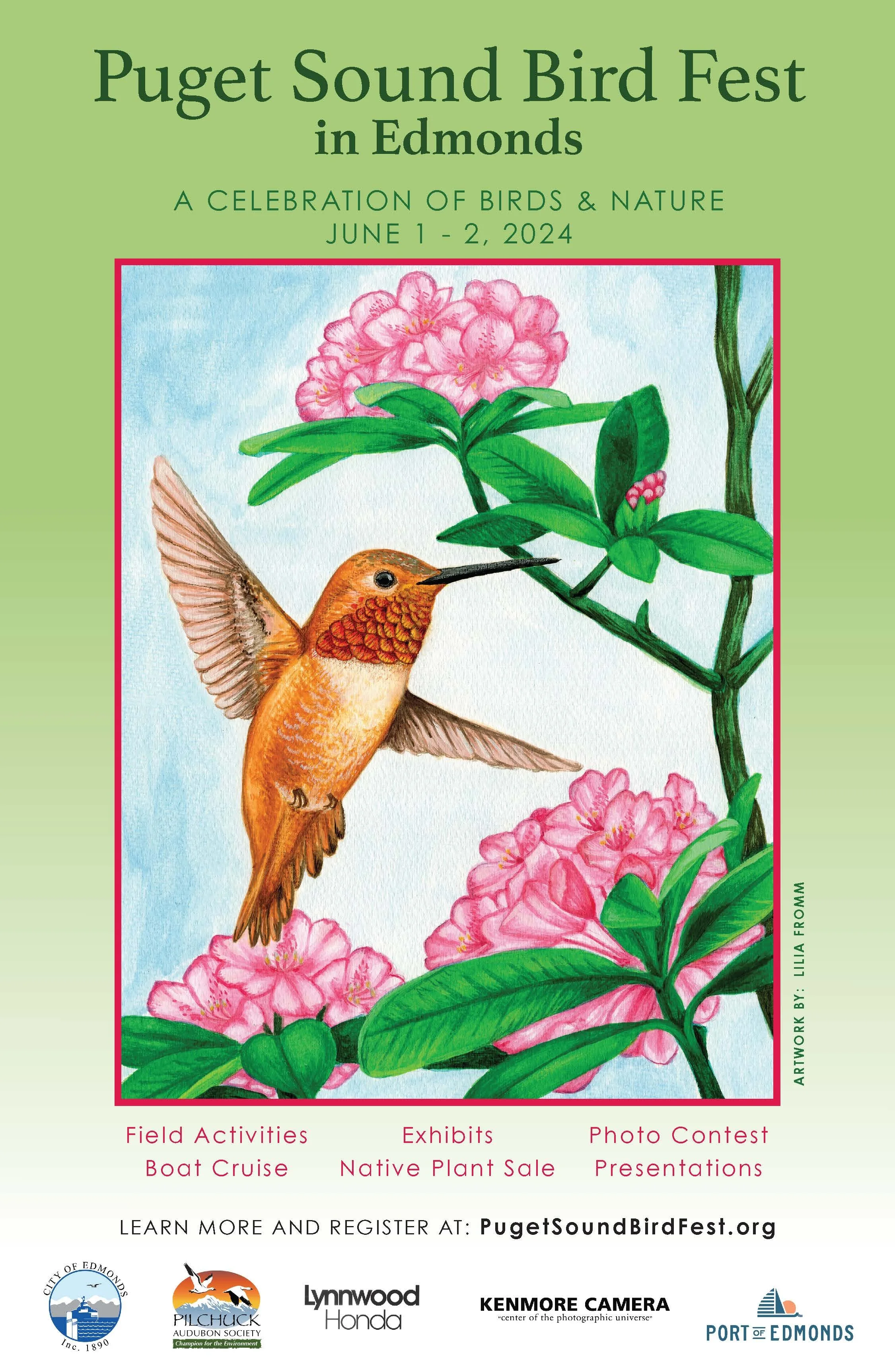
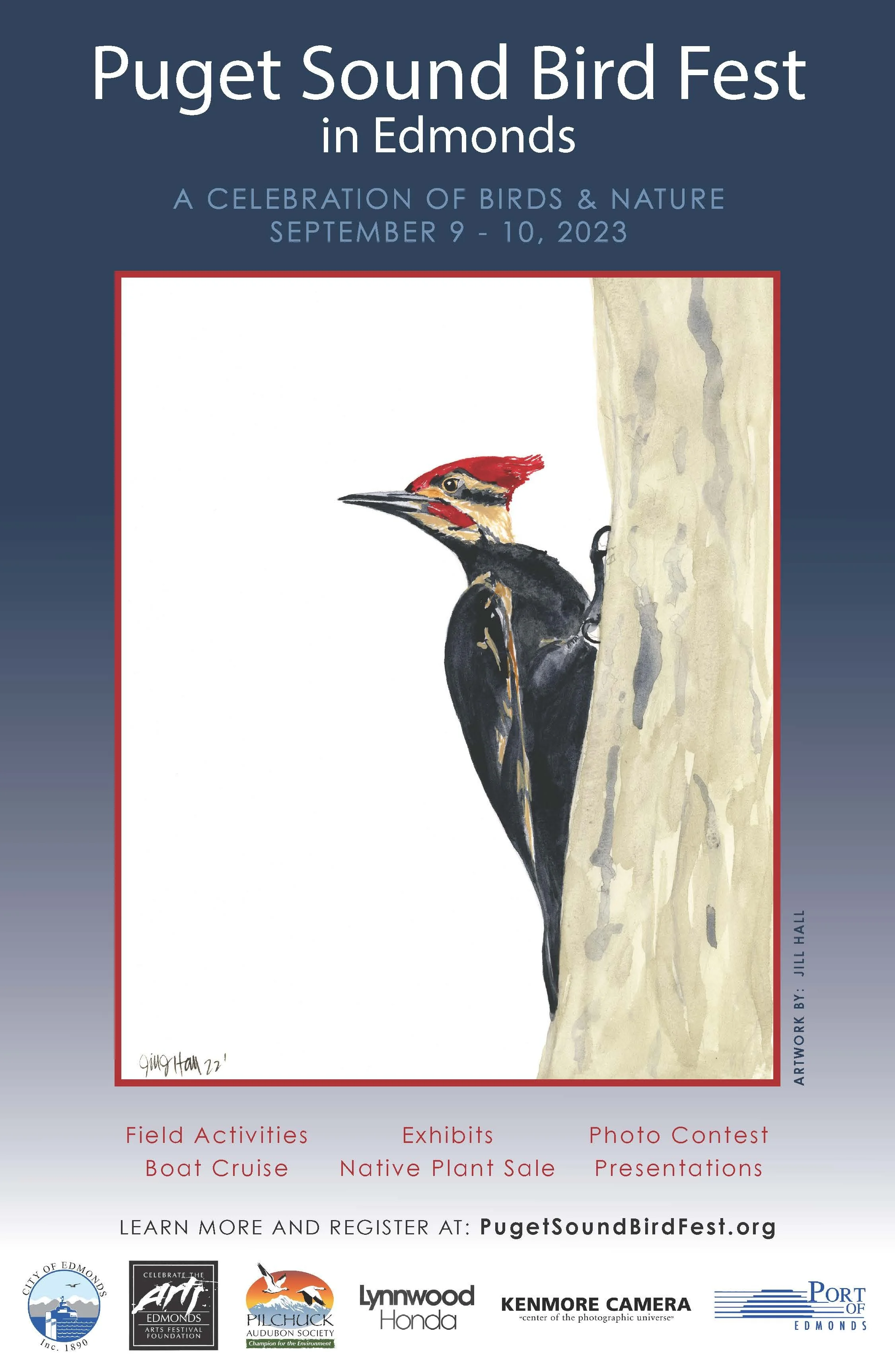
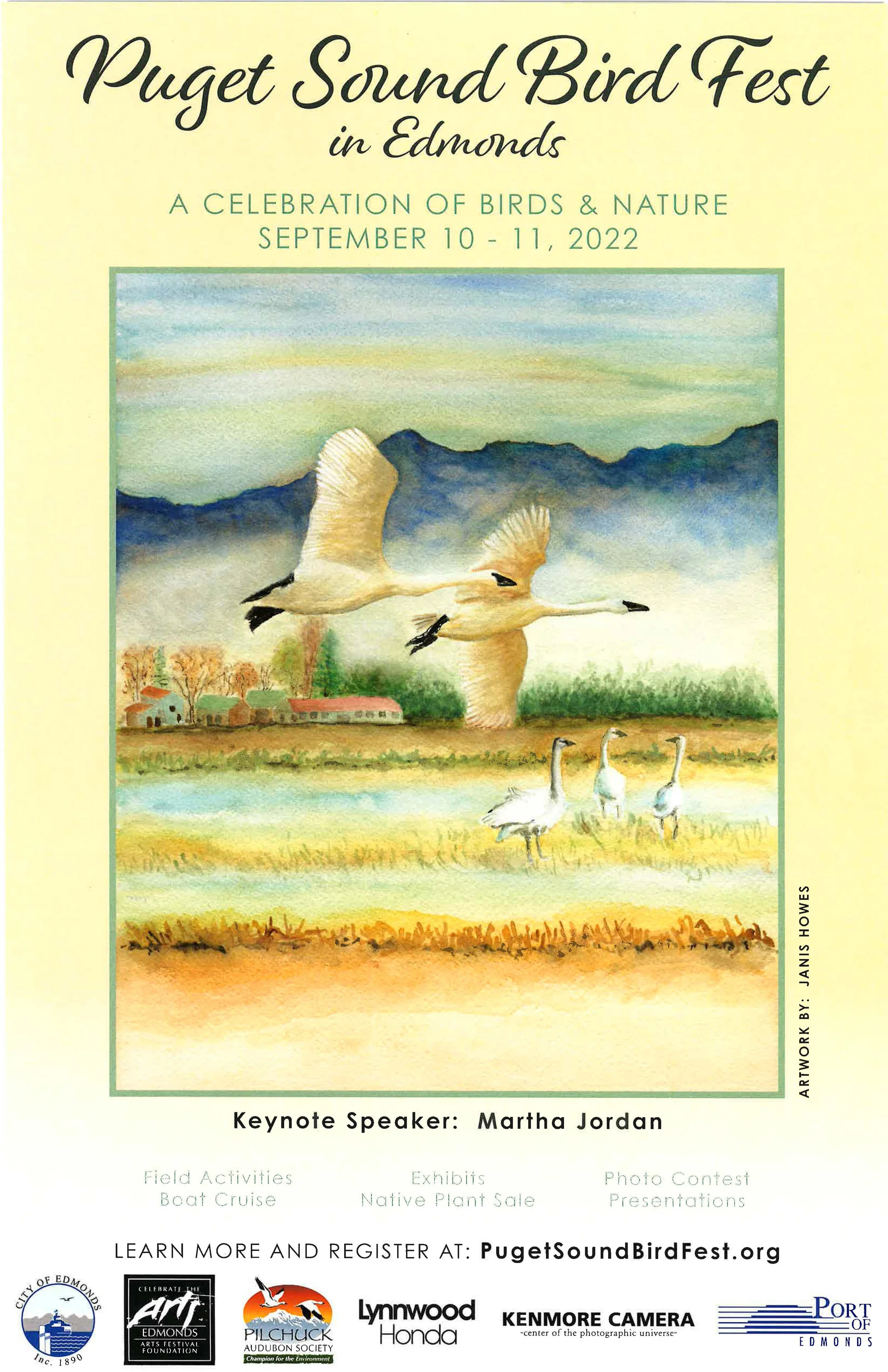
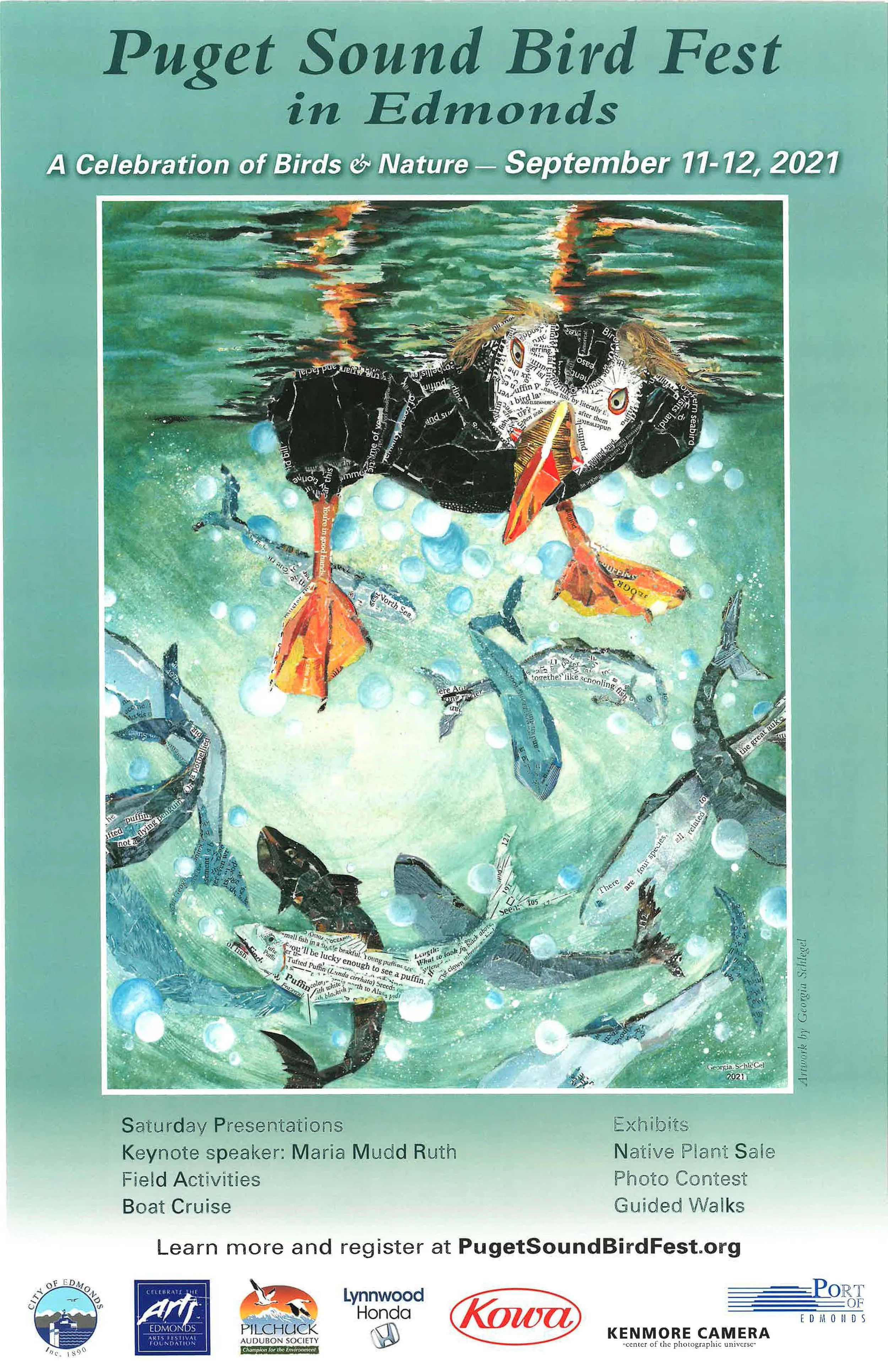
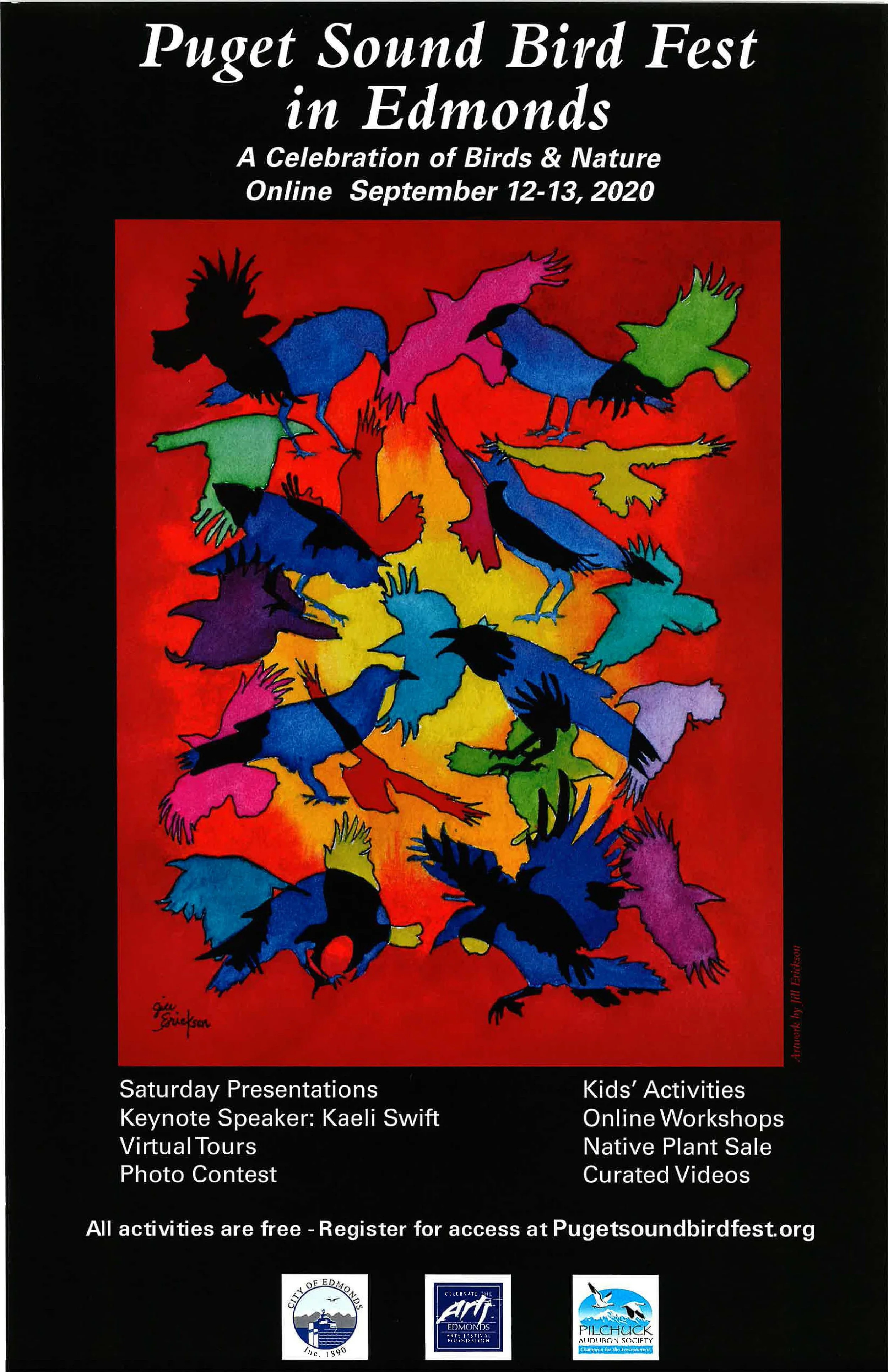
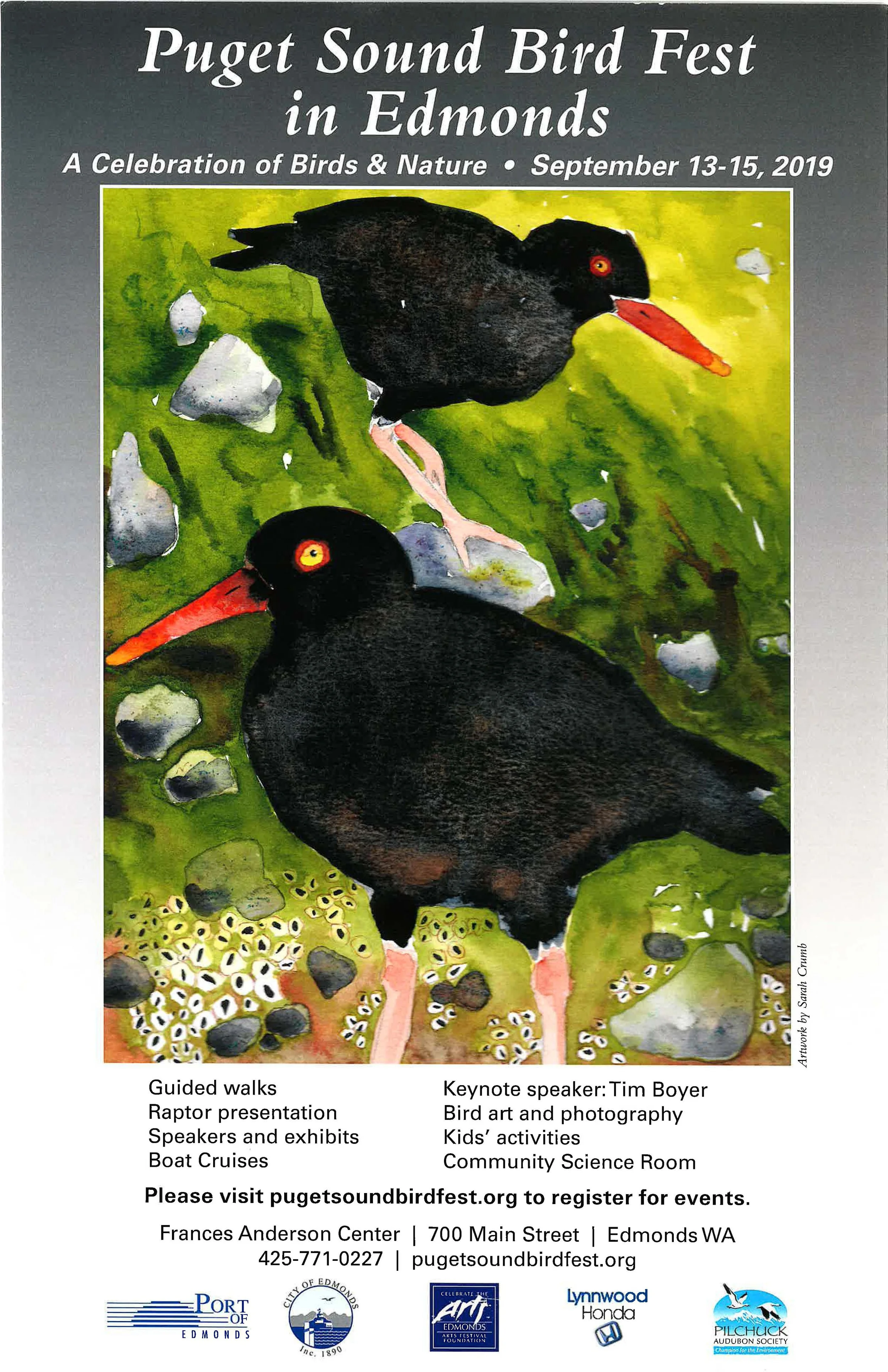
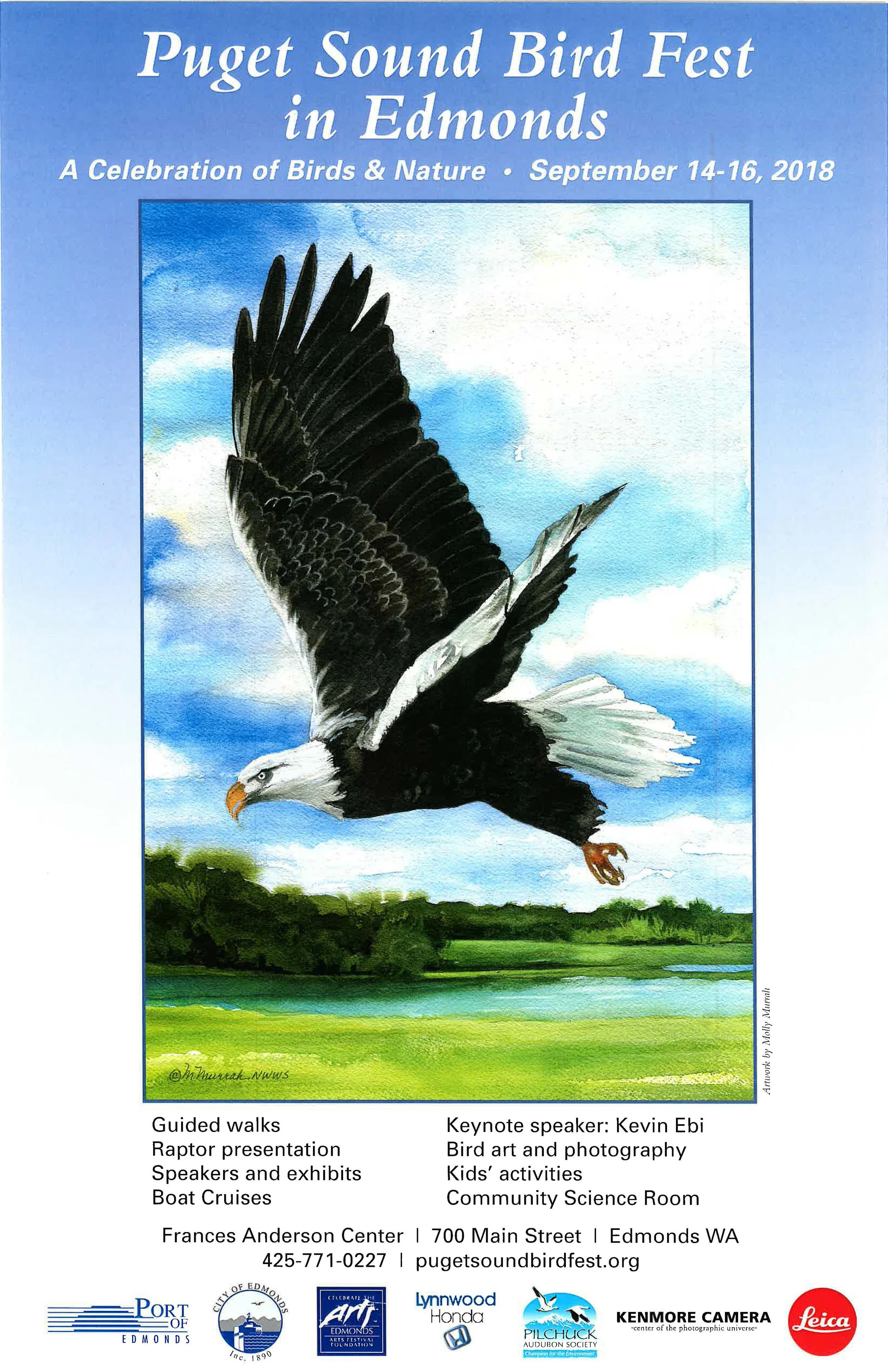
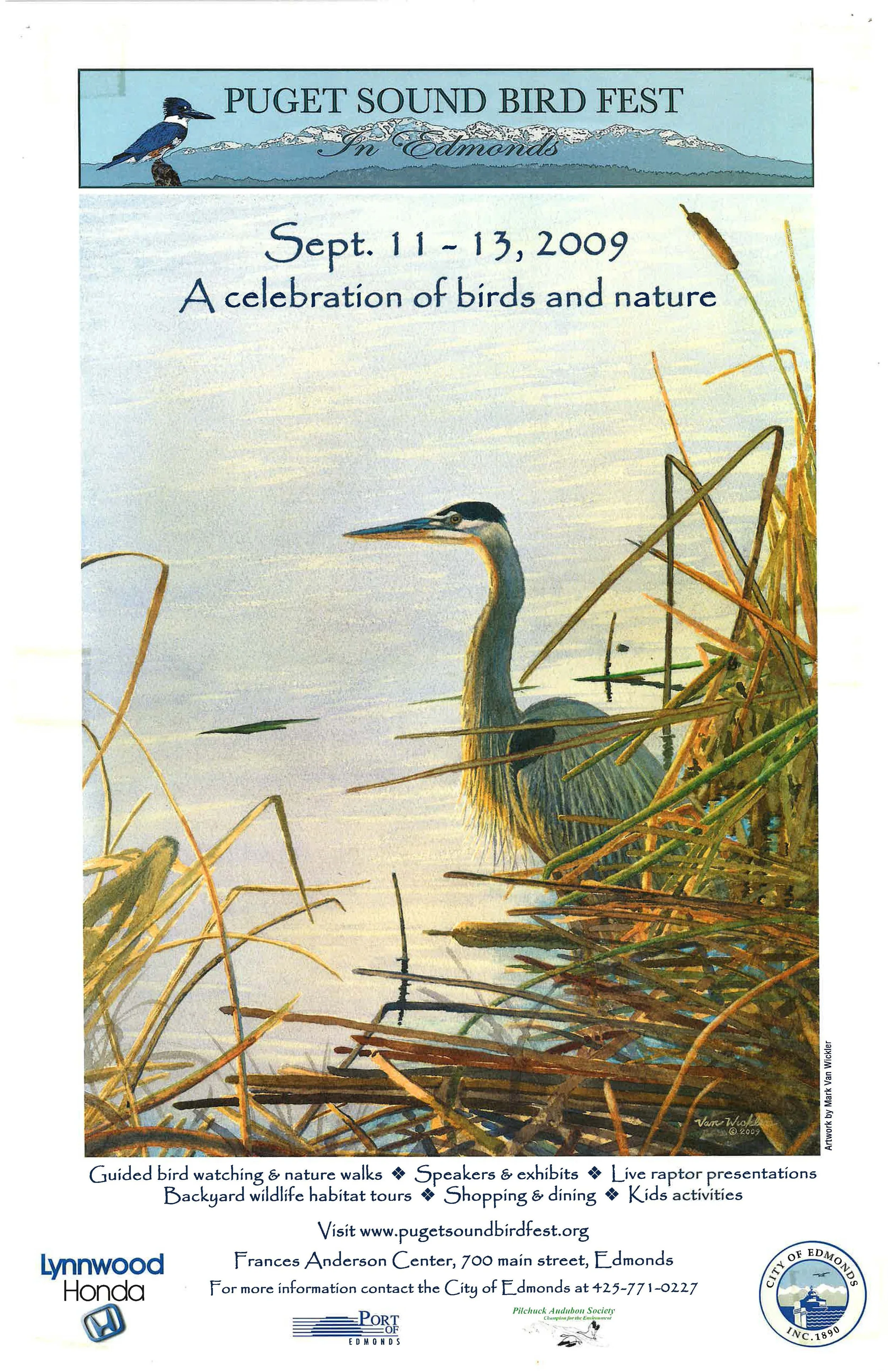
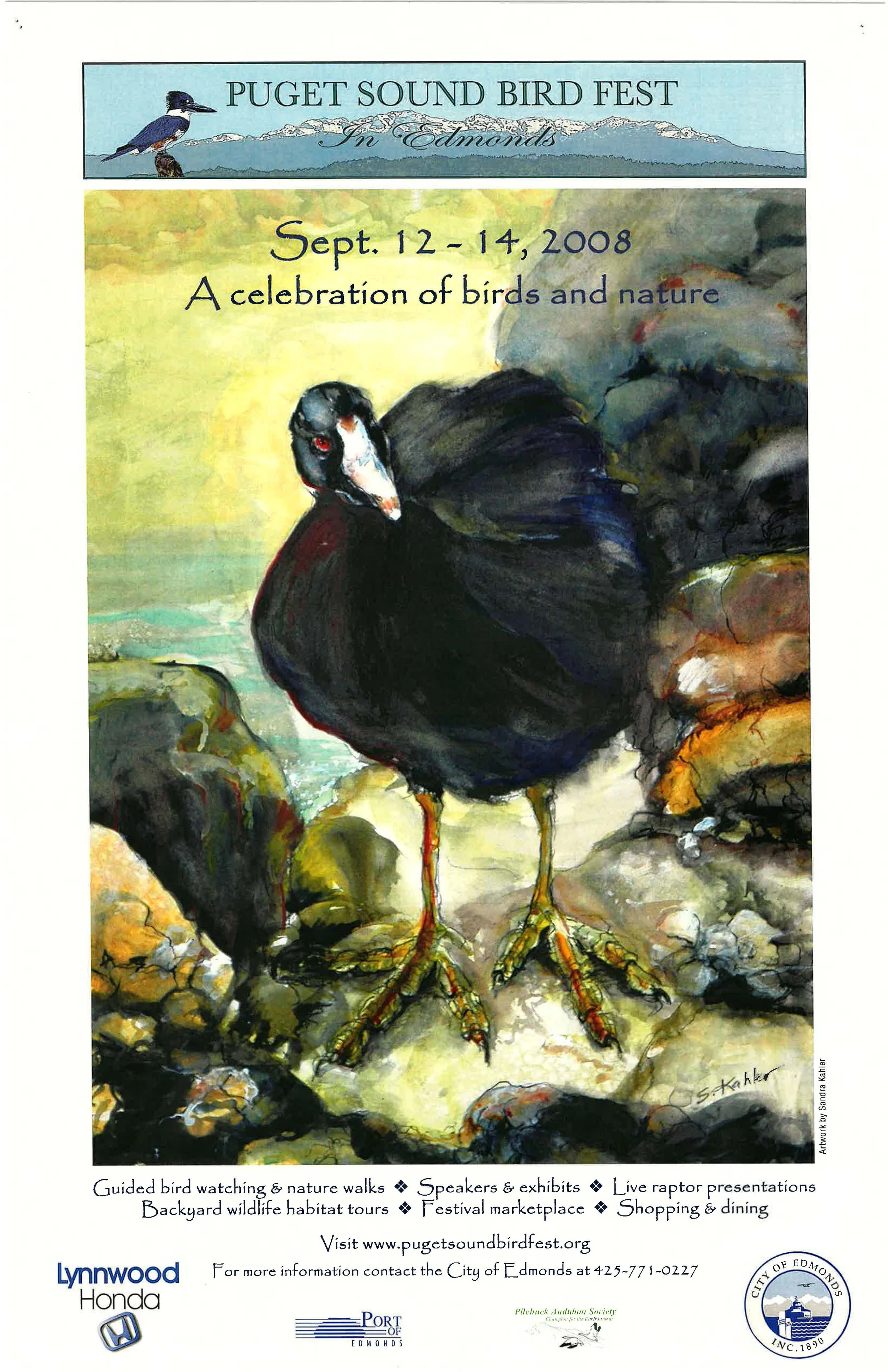
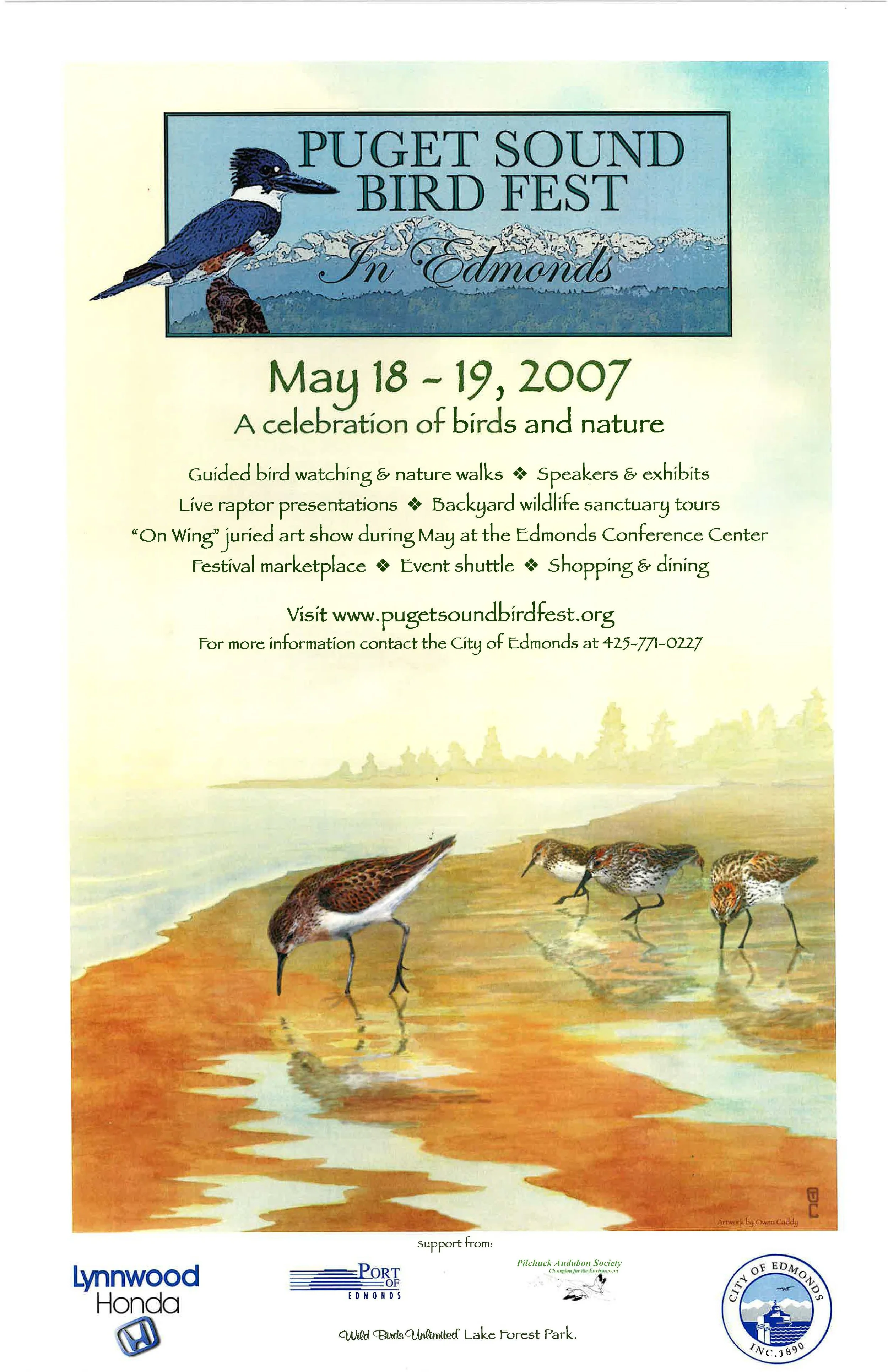
Puget Sound Bird Fest
Poster Art Contest
Accepting entries through January 31, 2026
Sponsored by
~
Sponsored by ~


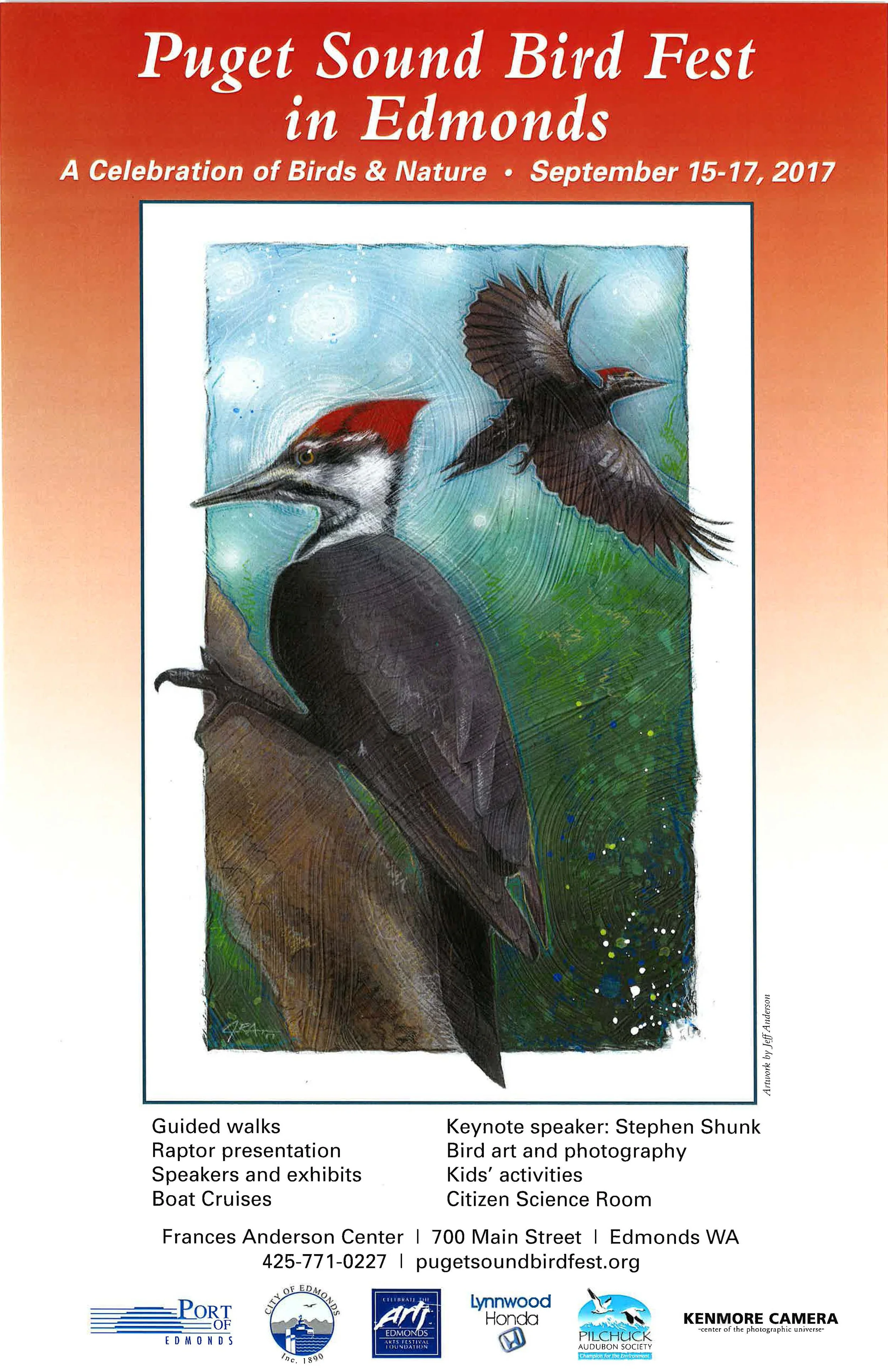
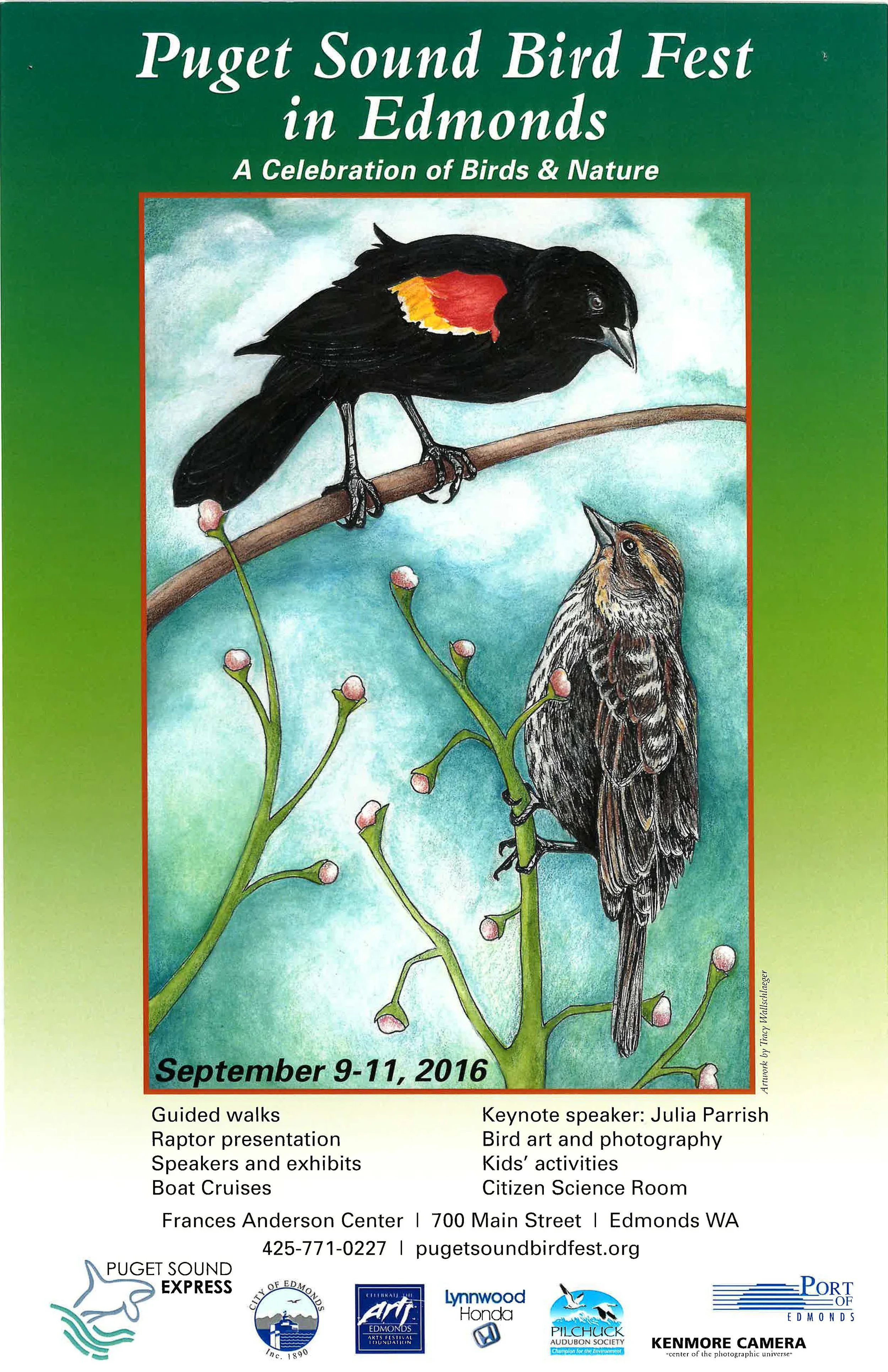
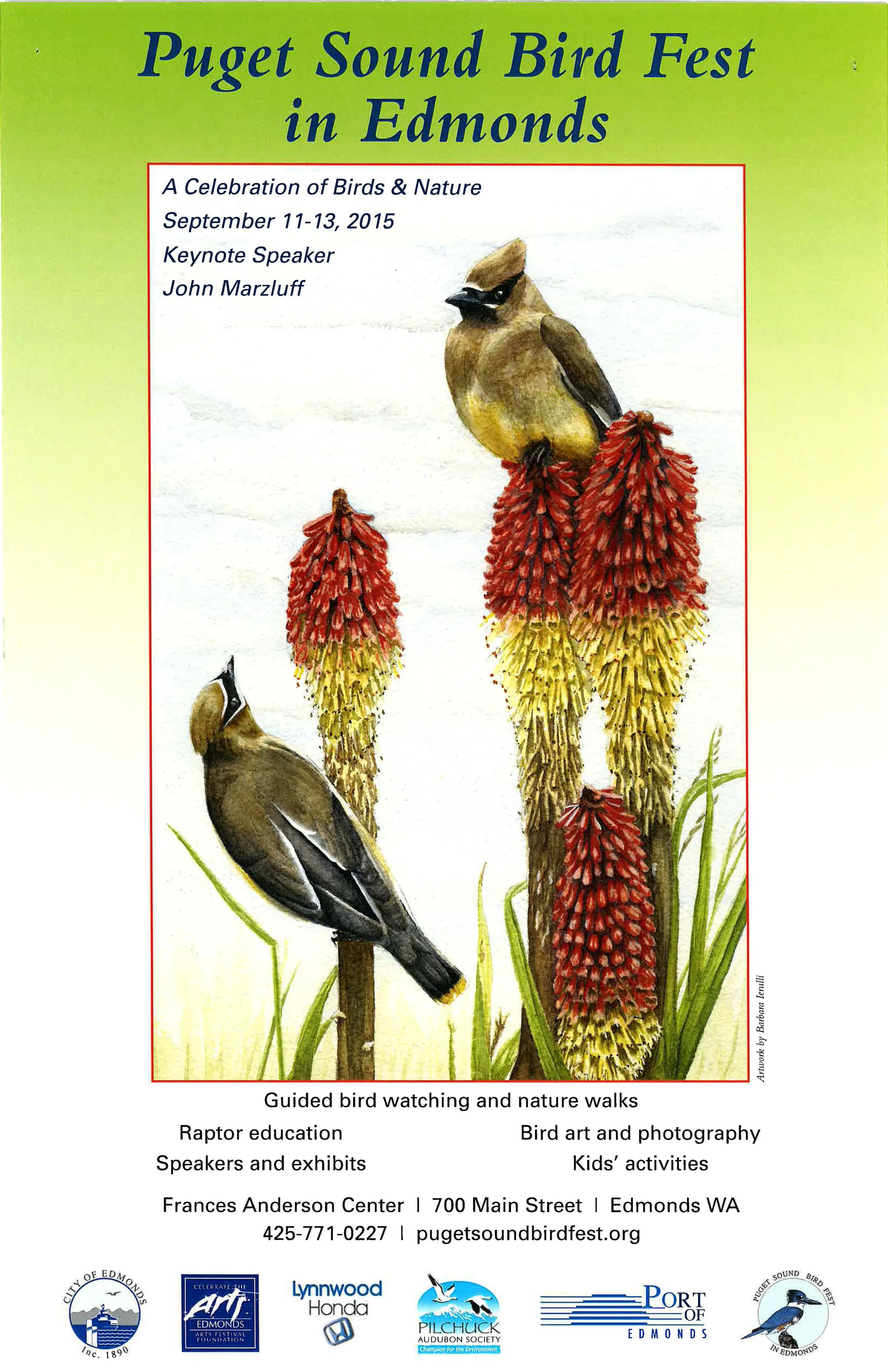
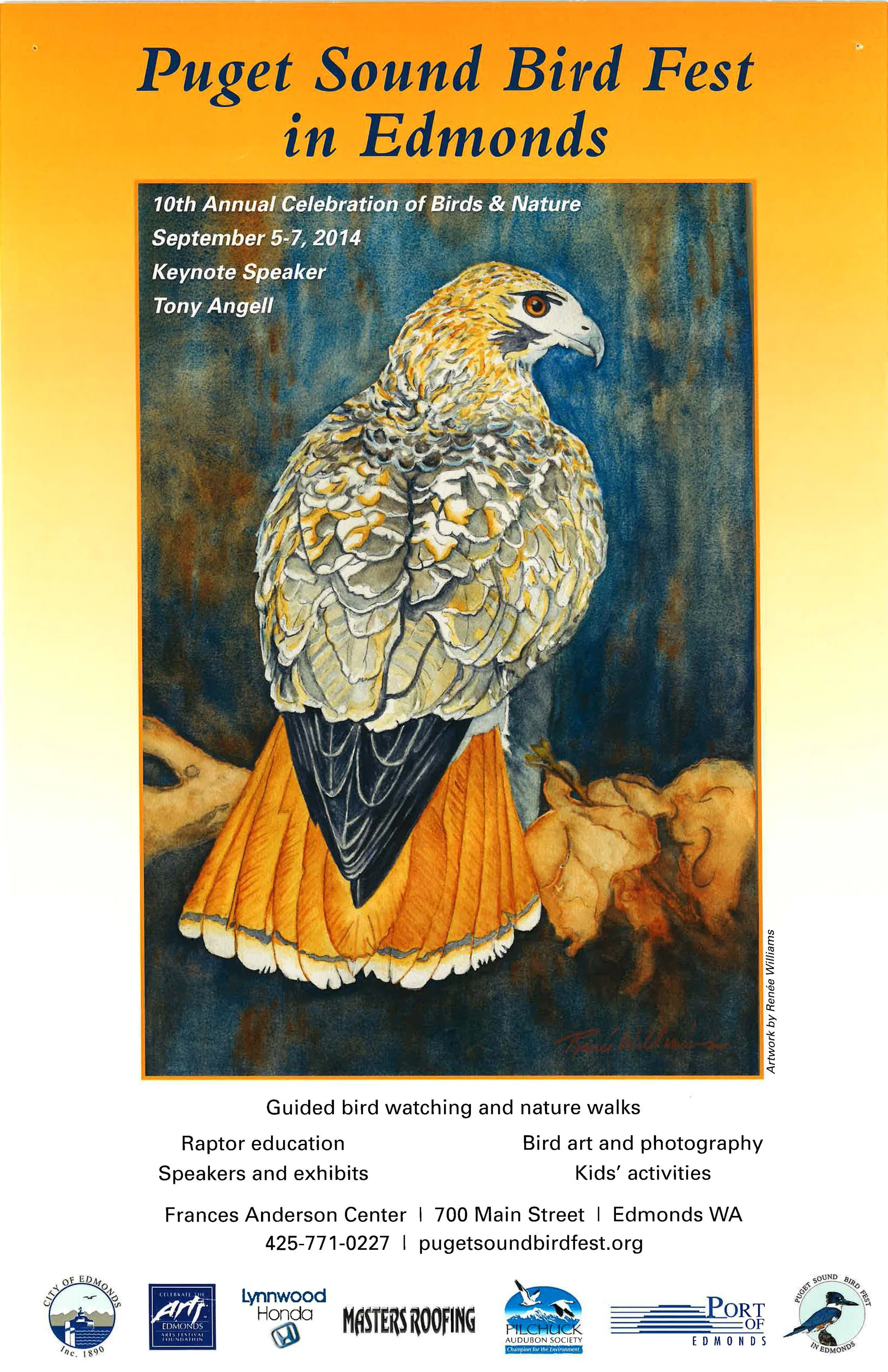
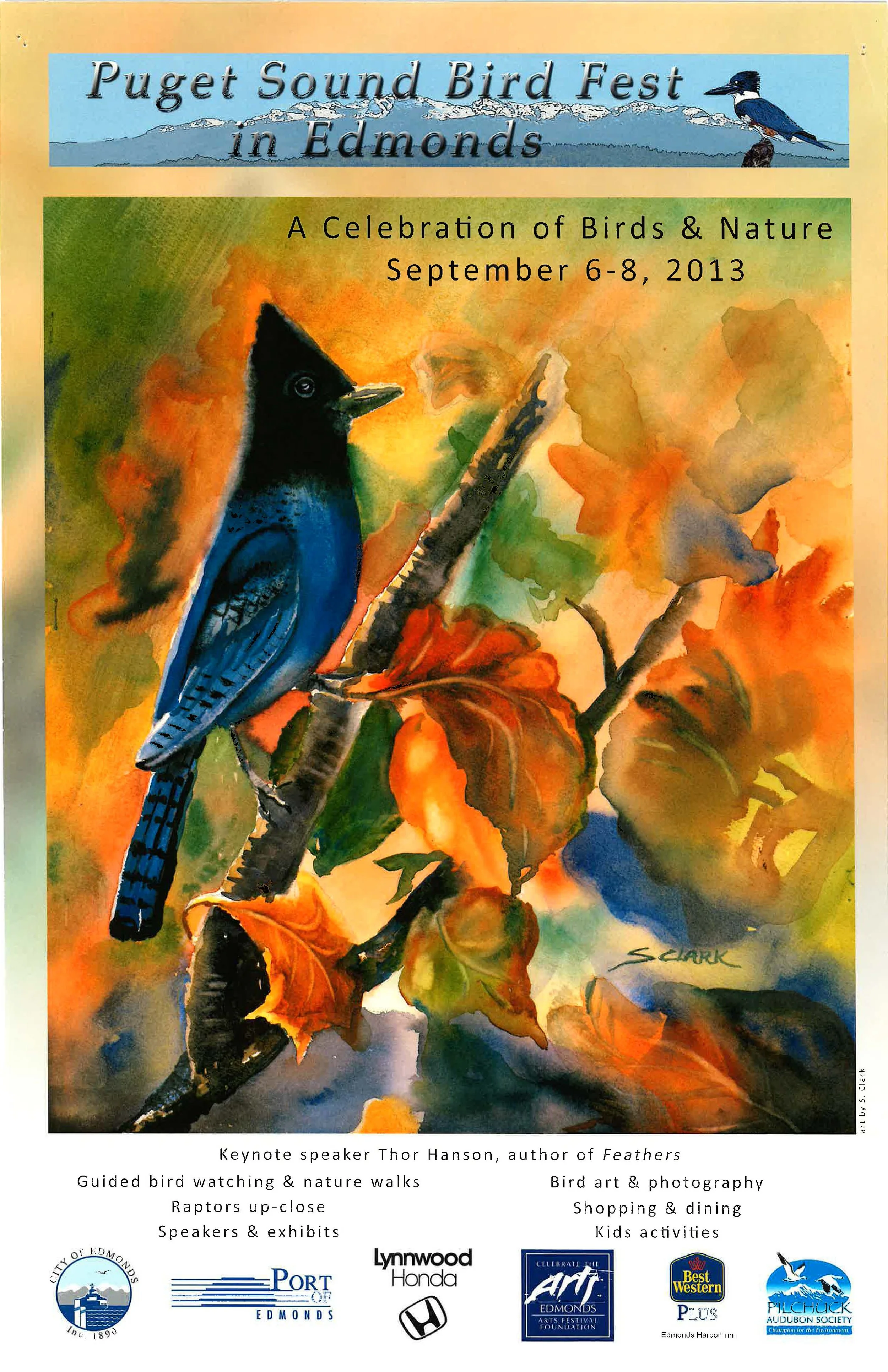
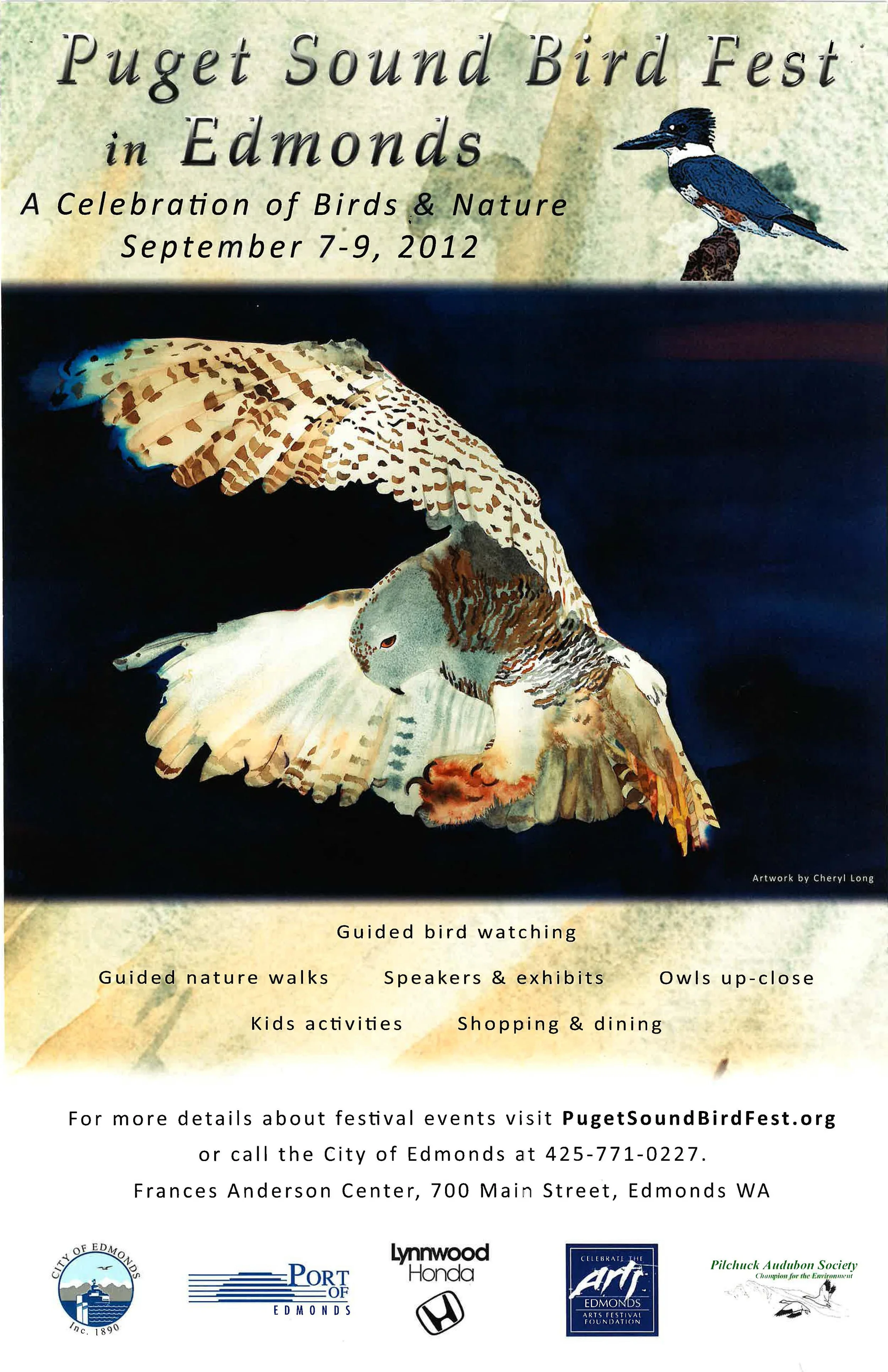
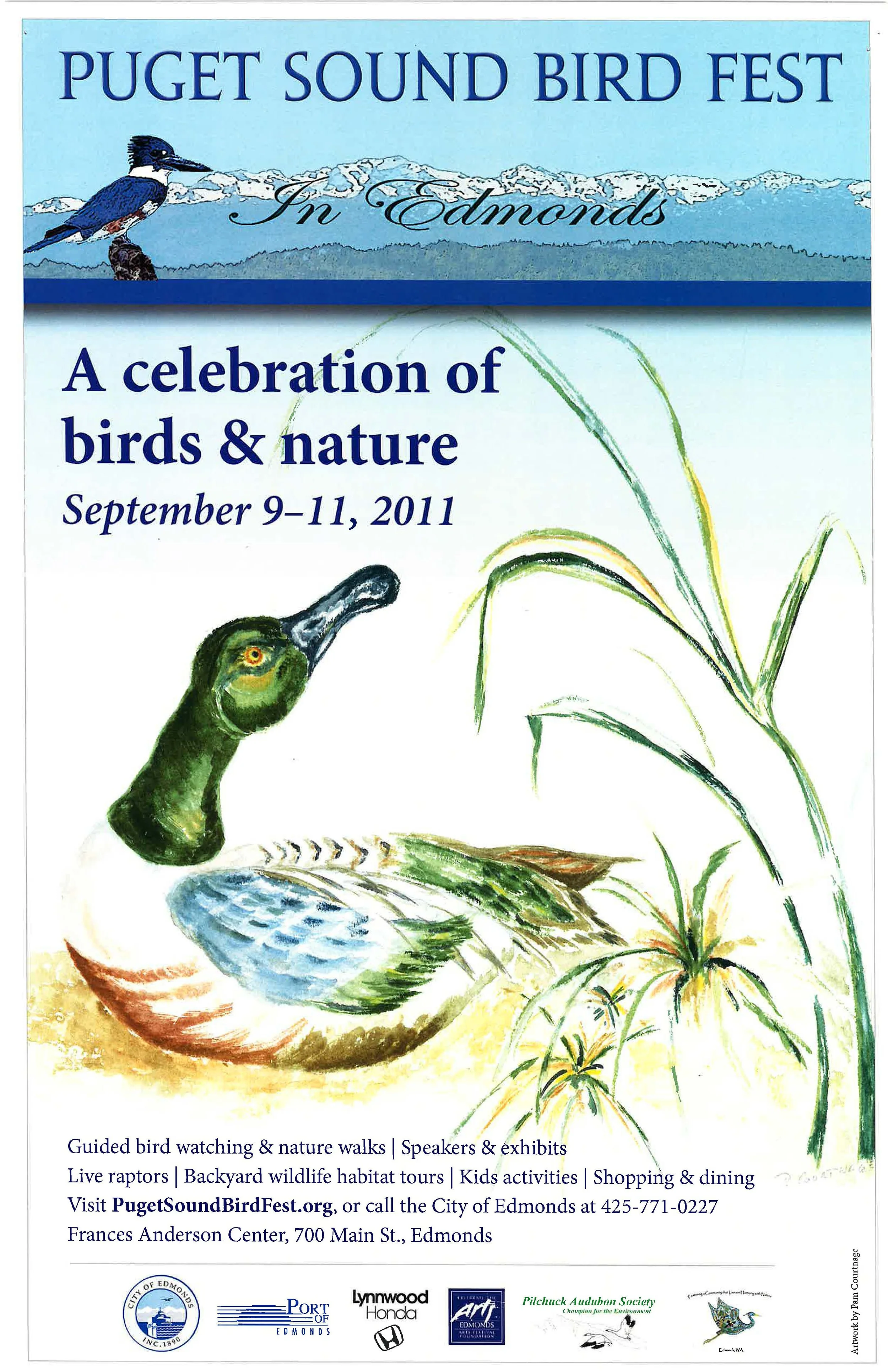
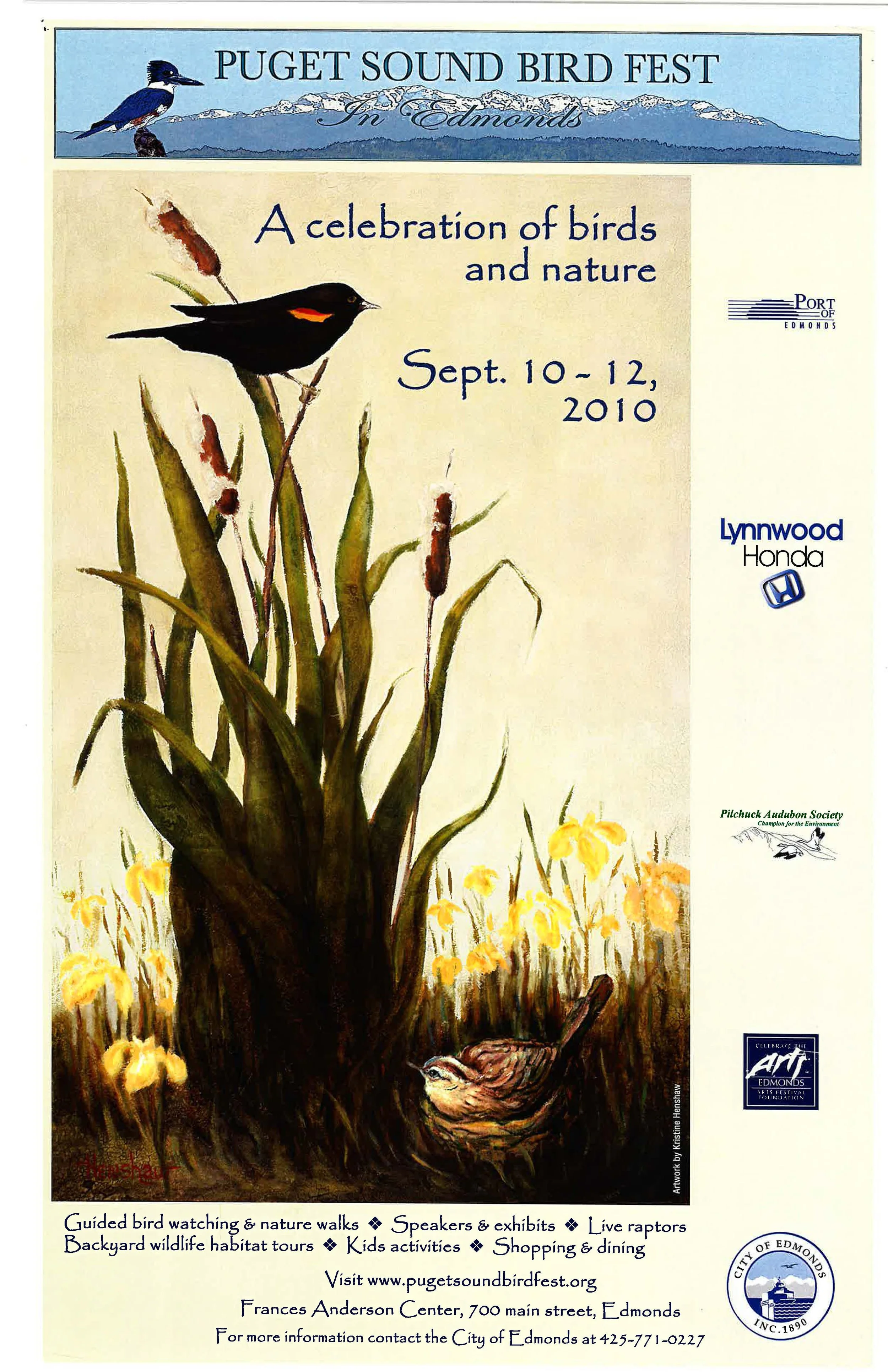
Puget Sound area artists are invited to showcase their creativity and love of local bird life by entering the 2026 Puget Sound Bird Fest poster art contest. The winning design will become the signature image for this beloved community festival, held June 6–7, 2026, in Edmonds—and seen by thousands of bird lovers, nature enthusiasts, and regional visitors.
2026 Festival Theme:
Every Bird Has A Song
-
A $500 prize will be awarded to the winner
Winner featured as ARTspot’s May Art Walk artist and receives 20% discount at ARTspot for month of May
The artist will also receive free publicity through Puget Sound Bird Fest marketing
-
No photography or digital art will be accepted
The poster dimensions are 11×17 inches in portrait orientation. To be consistent with the traditional poster design, a vertical art orientation works best
-
A minimum of four judges - at least one each from Cole Gallery, ARTspot, the Puget Sound Bird Fest Planning Committee, and the Pilchuck Audubon Society - will select the winning artwork.
-
Suggested donation of $10.
-
Entrants must be 18 years or older, limit one entry per person.
Submit a quality photo/scan of the artwork using this form
Puget Sound Bird Fest Planning Committee members, employees of the City of Edmonds, Pilchuck Audubon Society, Cole Gallery, ARTspot, and their family members are not eligible.
-
The artist will keep the copyright of the artwork, but Pilchuck Audubon Society will be allowed to use the artwork for commercial purposes, including but not limited to selling festival posters and other festival merchandise.
The artist will be invited to have a booth at the festival and may sell the original and/or prints of the artwork.
-
January 31, 2026 - Deadline for entries to be received
February 16, 2026 - Winner announced
-
For questions about the contest, please contact Brian Zinke, director@pilchuckaudubon.org