How to Create a Bird-safe Backyard
Written by Matthew Hildebrandt from Cat Topia
Across Washington, some of the most important opportunities to protect birds and wildlife aren’t found deep in national parks or remote wilderness areas, they’re right outside our homes. The yards, balconies, patios, and shared green spaces where we live make up a powerful network of potential habitat for native birds. When thoughtfully designed, even the smallest outdoor space can provide food, shelter, and safety for species that are increasingly affected by habitat loss.
Washington is home to an incredible diversity of ecosystems, from coastal shorelines and wetlands to dense forests, open grasslands, and growing urban neighborhoods. Birds move between these landscapes every day, relying on pockets of healthy habitat to rest, feed, and nest. By making our own outdoor spaces safer and more welcoming, we help bridge the gaps between natural areas and create vital connections for local and migratory birds alike.
Creating a bird-safe backyard doesn’t require a complete landscape overhaul. Simple, intentional choices, like planting native species, reducing hazards, and managing outdoor spaces with wildlife in mind, can make a meaningful difference. When multiplied across neighborhoods and communities, these small actions add up to something powerful: a healthier environment where birds, people, and nature can thrive together.
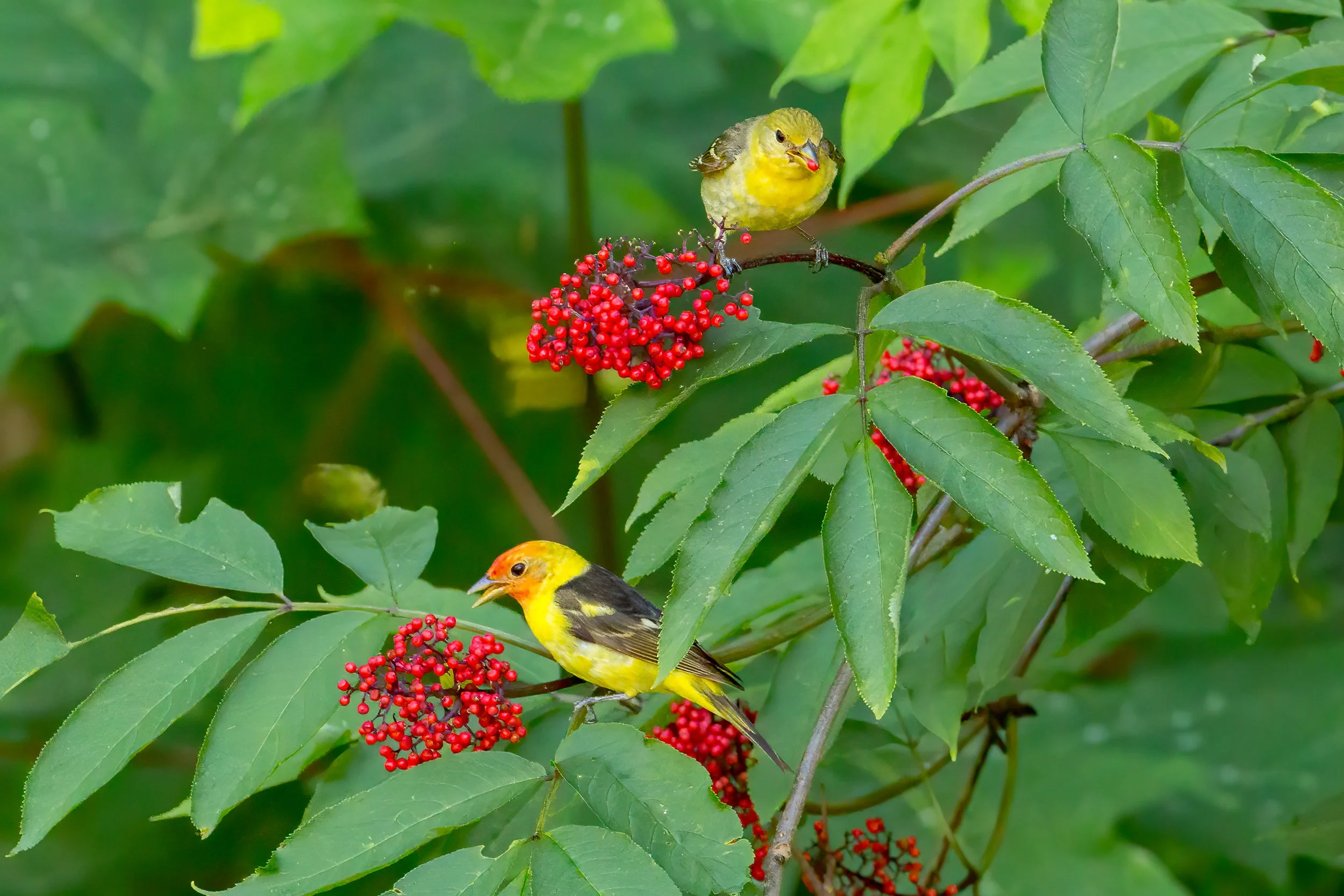
Western Tanagers by Mick Thompson
Why Bird-safe Backyards Matter
Across Washington, rapid development and conventional landscaping practices have steadily reduced the natural habitats birds depend on to survive. Lawns dominated by non-native grasses, ornamental plants from other regions, and the widespread use of pesticides offer little food or shelter for native species. As forests are fragmented and open land disappears, many birds are left searching for safe places to feed, nest, and raise their young.
Native birds, from familiar backyard songbirds to long-distance migratory species, rely on specific plants and insects that evolved alongside them. When native vegetation is replaced with invasive plants or treated with chemicals, the insects birds need to feed their chicks disappear, and nesting opportunities become scarce. Even common species can struggle when suitable habitat is no longer available close to home.
Bird-safe backyards help reverse this trend by restoring small but essential pieces of the ecosystem. When homeowners and communities choose native plants, reduce chemical use, and create safer outdoor environments, they provide critical resources not just for birds, but for butterflies, bees, and other pollinators as well. These efforts strengthen the entire food web, improve soil and water health, and contribute to a more resilient environment. A backyard designed with birds in mind becomes part of a much larger solution, one that supports biodiversity across Washington, one yard at a time.
How to Create a Bird-safe Backyard
Creating a bird-safe backyard in Washington starts with small, thoughtful changes that protect birds while supporting a healthier local ecosystem. Whether you live in a forested neighborhood, a coastal community, or an urban area, the choices you make in your outdoor space can provide critical food, shelter, and safety for native and migratory birds.
Begin by committing to bird-safe practices such as:
Reducing or eliminating pesticide and chemical use
Removing invasive, non-native plants
Conserving water and protecting local waterways
Planting Washington-native trees, shrubs, and flowers
Leaving leaves and natural debris in non-lawn areas
Reducing hazards to birds, including window collisions, excessive nighttime lighting, and outdoor cats
You don’t need to tackle everything at once. Even one or two changes can create a safer, more welcoming environment for birds and pollinators. Over time, these individual efforts help reconnect fragmented habitats and strengthen Washington’s natural landscapes.
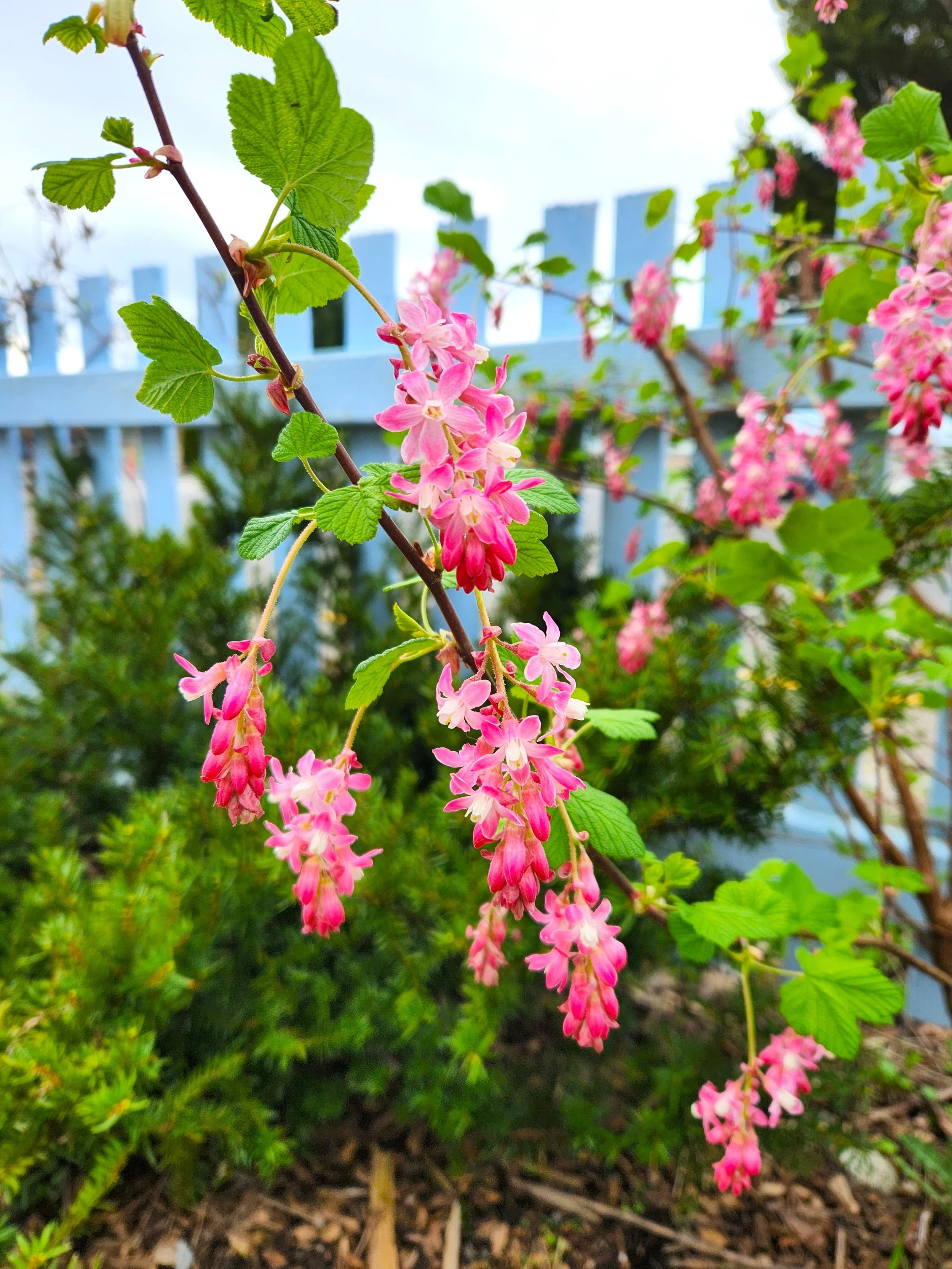
Red-flowering Currant by Brian Zinke
Choose Native Plants
Native plants are the foundation of a bird-safe backyard. Because they evolved alongside Washington’s wildlife, they provide the right food sources, shelter, and nesting materials birds depend on. These plants also support native insects, which are essential for feeding young birds during nesting season.
Some Washington-native plants that benefit birds include:
Red-flowering currant – early-season nectar for birds and pollinators
Vine maple – dense branching for shelter and nesting
Ocean spray – abundant flowers and seeds for wildlife
Sword fern – ground-level cover and protection
Native coneflowers – seeds and insect support throughout the growing season
Layering native trees, shrubs, and groundcover creates a natural, resilient habitat that provides food and protection year-round, helping birds thrive in every season.
Provide Food, Water, and Shelter
A healthy backyard offers birds natural food sources rather than relying solely on feeders. Native plants encourage insects, seeds, and berries while avoiding pesticides keeps those food sources safe. Adding a shallow birdbath or small water feature provides birds with a place to drink and bathe, especially during dry periods. Dense vegetation and layered plantings give birds safe places to rest, feed, and nest, mimicking the natural environments found across Washington.
Reduce Backyard Hazards
Even bird-friendly yards can pose hidden dangers without simple precautions. Window collisions are a major threat, but decals, screens, or patterned glass can significantly reduce impacts. Limiting outdoor lighting at night helps prevent disorientation during migration. Avoiding plastic netting, glue traps, and harmful garden chemicals further protects birds while maintaining a beautiful, functional outdoor space. A bird-safe backyard doesn’t require sacrificing aesthetics, it simply prioritizes safety alongside design.
Protect Birds from Outdoor Cats
Free-roaming cats are one of the most significant threats to birds, particularly songbirds and ground-nesting species found throughout Washington. While cats are beloved companions, their natural hunting instincts make them highly effective predators. Even well-fed cats will hunt, often targeting birds that nest or forage close to the ground. In areas where habitat is already limited, this added pressure can have a serious impact on local bird populations.
Protecting birds doesn’t mean choosing wildlife over pets, it means finding ways for both to thrive safely. Outdoor cats face real risks from cars, predators, disease, and exposure to toxins, while birds face the constant threat of predation. By taking thoughtful steps to manage where and how cats spend time outdoors, we can reduce harm to wildlife while also improving the health and safety of our feline companions.
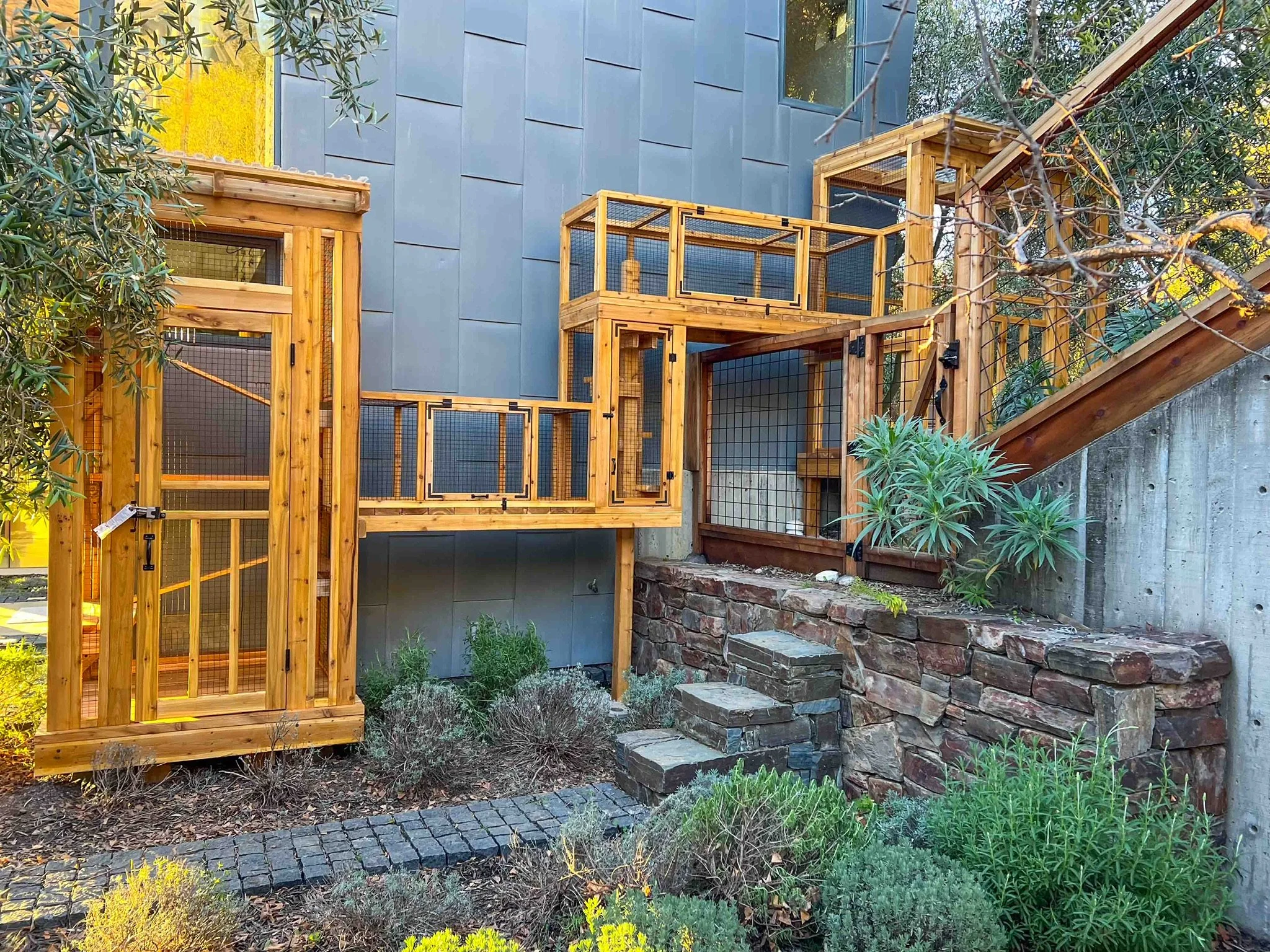
Key Steps to Protect Birds from Cats:
Keep cats indoors or safely contained using secure enclosures such as catios, leashes, or outdoor spaces designed specifically for cats
Avoid supporting feral cat colonies, which can significantly increase wildlife predation
Work with local shelters or humane organizations to support responsible trapping, and rehoming efforts
Place bird feeders and baths away from dense cover, giving birds time to detect and escape potential predators
Use dense or thorny native shrubs near feeding or nesting areas to provide natural protection for birds
Encourage community awareness and responsible pet ownership, since collective action has the greatest impact
Creating a Lasting Impact for Washington’s Birds
Every bird-safe backyard in Washington plays a role in protecting the landscapes and wildlife that make this region so special. From coastal communities to forested neighborhoods and urban centers, each outdoor space, no matter its size, can contribute to a healthier environment for birds. When yards, patios, and balconies offer food, shelter, and safety, they help preserve the natural beauty and biodiversity that define Washington.
The choices you make at home don’t exist in isolation. Together, bird-safe backyards form a living network that connects parks, greenbelts, waterways, and wild spaces, giving birds the resources they need to survive and thrive. These small, thoughtful actions today create lasting benefits, supporting migratory routes, strengthening local ecosystems, and ensuring future generations can experience the joy of birdsong in their own communities.
By taking steps to make your outdoor space safer for birds, you become part of a shared effort to protect Washington’s wildlife heritage. One backyard at a time, we can help sustain the birds that bring color, movement, and life to our surroundings, now and for years to come.